

Subscribe to receive email updates about Slavic and Eurasian library collections at Harvard.
About the Library
Part of Harvard’s extensive network of libraries and collections, the Davis Center Collection for Russian and Eurasian Studies has existed since the center’s founding in 1948. The collection was created specifically to support teaching, research, and study at the Davis Center, and now “lives” in Fung Library at 1737 Cambridge Street. Today, collection staff work to acquire and develop library resources on Russia and Eurasia and to provide reference and instructional services to students and scholars conducting research on the region.
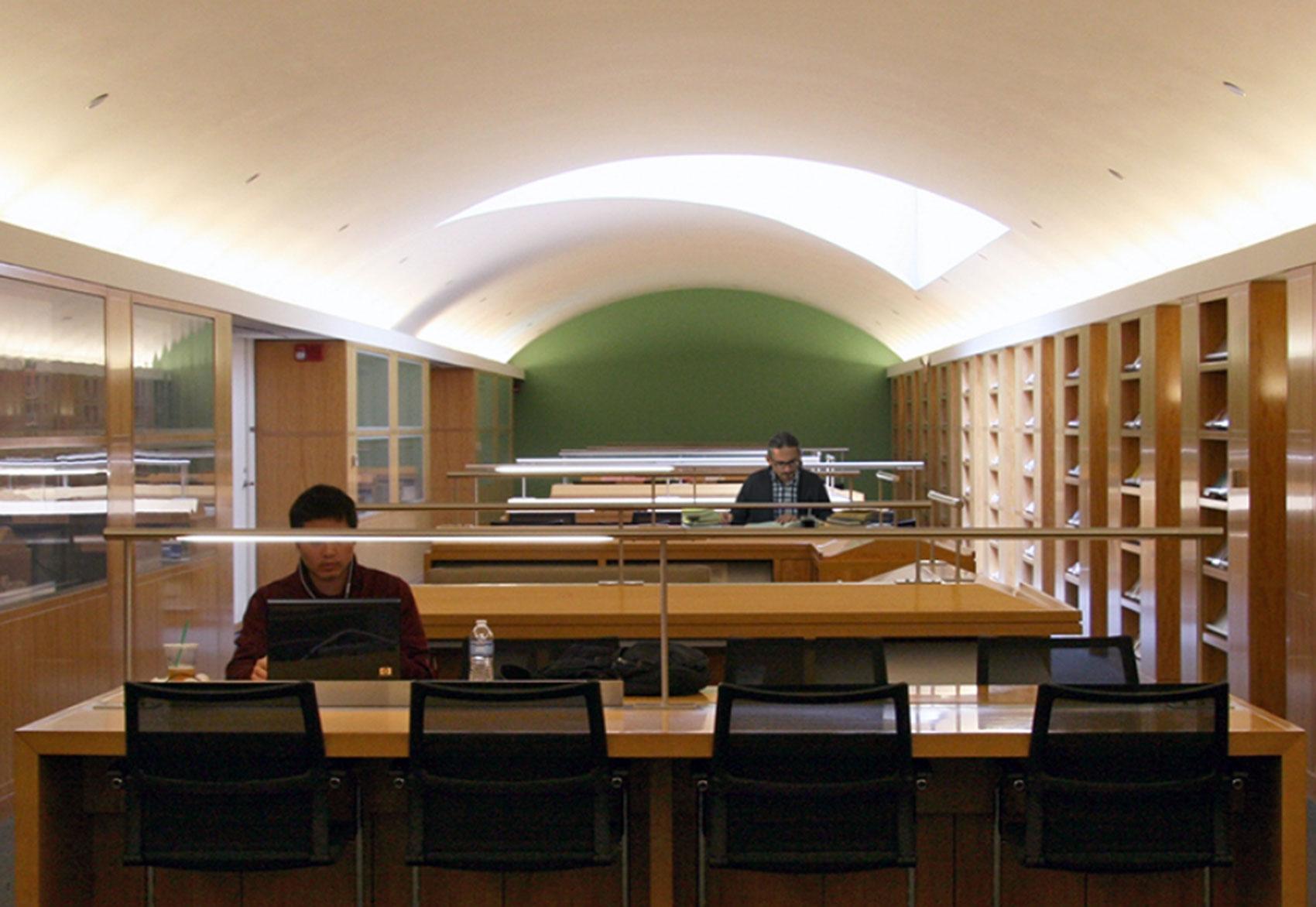
Fung Library reading room
Reference, Research, and Instructional Services
Davis Center Collection staff offer general library orientations, one-on-one consultations, and workshops focusing on specific resources and tools.
If you are just beginning your research, please take a look at the information available on the Harvard Library portal as well as the following research guides:
- Slavic and Eurasian Studies at Harvard : Library and Archival Resources
- Digital Resources for Slavic, East European and Eurasian Studies
- Soviet history: archival resources at Harvard university library and archives
For in-depth assistance with your research or to learn how to navigate the HOLLIS catalog, digital collections, or Harvard Library’s many other services and tools, you may want to schedule an individual research consultation, or reach out to the Librarian for the Davis Center Collection, Svetlana Rukhelman.
Collections
For detailed information on the Davis Center Collection's holdings, please see the Collection's page on the Harvard Library website.
The Davis Center Library's holdings are searchable online in HOLLIS. If you are looking for materials and need help, please email Svetlana Rukhelman, Librarian for the Davis Center Collection.
General Collection
The Davis Center Collection maintains a core collection of books and periodicals related to the field, particularly in the social sciences (political science, economics, sociology, and history). There are about 6,000 volumes on Fung Library’s shelves; these include a dedicated reference section containing major encyclopedias, atlases, print periodical indexes, print bibliographies, and other important reference works. Another 14,000 volumes are housed in Offsite Storage and available on request.
Periodicals
In addition to monographs, the DCRES Library holds a core selection of area journals and newspapers. A large number of these titles also have online versions available through HOLLIS and can be accessed via the databases listed in Harvard Library’s guide to Slavic digital resources. For Russian-language periodicals, the East View Universal Databases include many important titles.
Special collections
The Davis Center library holds a growing number of archival and special collections, including the following major resources, many of which have been fully or partly digitized:
- The Harvard Project on the Soviet Social System - keyword-searchable transcripts of 705 interviews conducted with refugees from the USSR during the early years of the Cold War.
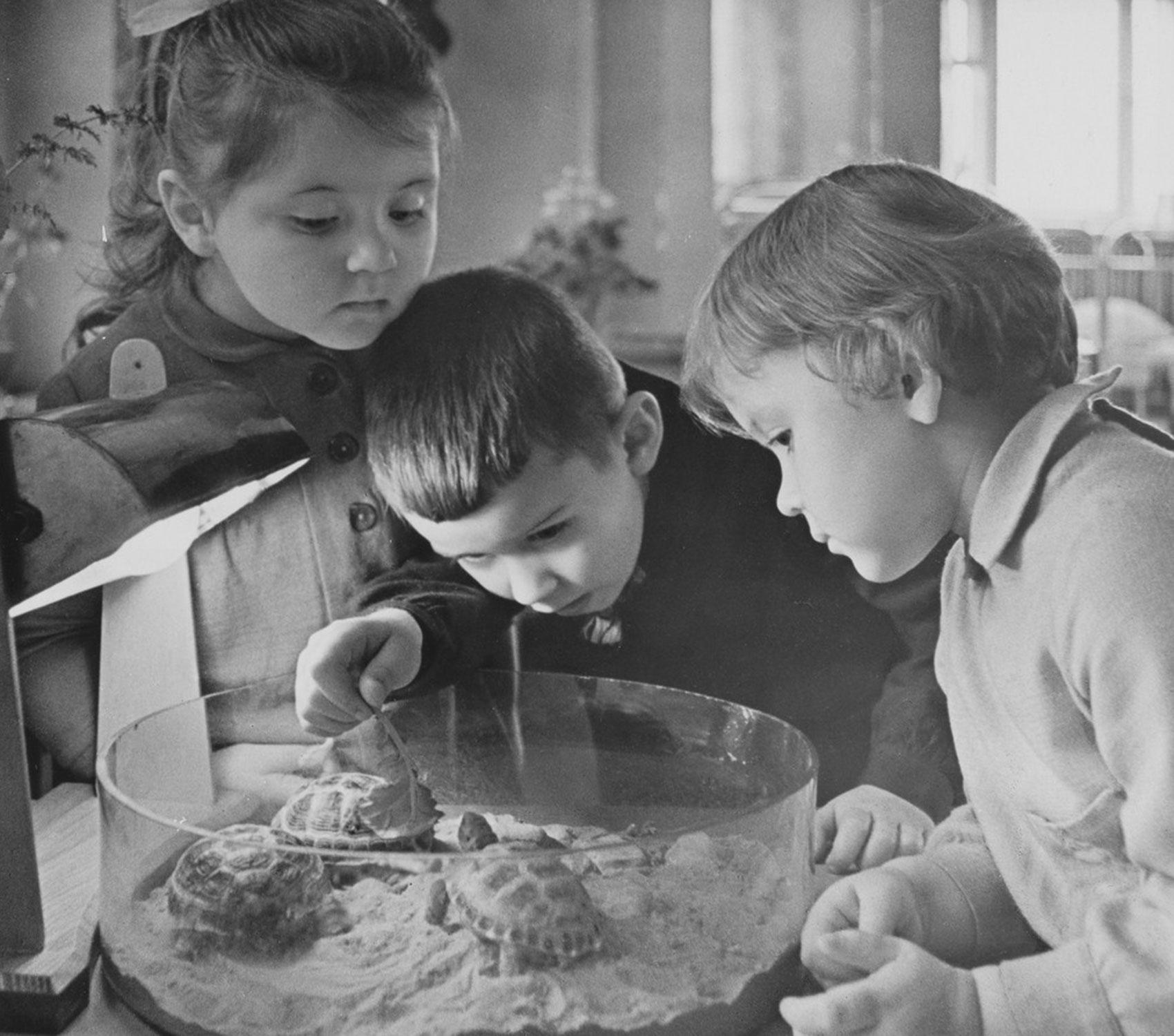
- The Soviet Information Bureau photograph collection - 6,000 black-and-white images documenting daily life and the reconstruction of the Soviet Union following World War II.
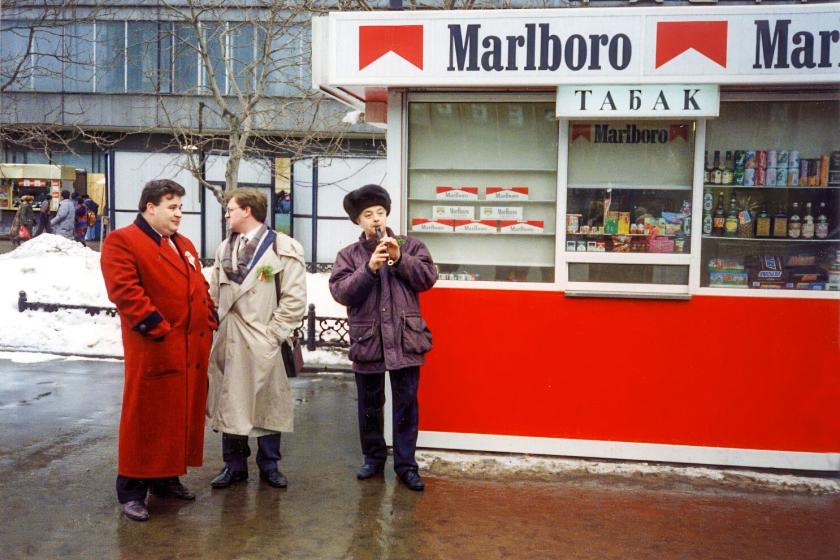
- Post-Soviet transition in Russia photograph collection - 1,240 photographs depicting street scenes emblematic of the economic, social, and political changes that swept Moscow and other Russian cities from 1992 to 1997, the tumultuous period immediately following the collapse of the USSR.
- Richard E. Hoagland papers on U.S. diplomacy in South and Central Asia - materials documenting the career of ret. Amb. Richard Hoagland, whose diplomatic assignments in Pakistan, Moscow, Uzbekistan, Tajikistan, Kazakhstan, and Turkmenistan between 1985 and 2015 shaped and reflected U.S. foreign policy in the region in the post-Soviet era.
- (E-E) Evgenij Kozlov, Catherine Mannick, and Hannelore Fobo papers - artwork, diaries, photographs, and correspondence that shed light on the work of Kozlov as artist and founding member of the nonconformist New Artists movement in Leningrad in the 1980's.
- Kazbegi-Dadiani family papers - photographs, documents, correspondence, and memoirs detailing the lives of several generations of members of Georgian noble families before the Bolshevik Revolution and in subsequent exile in Europe and the U.S.
- Genrikh M. Deich papers - research and archival documents on Jews in the Russian Empire.
- Mark G. Field papers - materials documenting the eminent medical sociologist's scholarly career, and in particular his study of the health-care systems of the former Soviet Union and its successor states.
- Print materials on the women’s rights movement in Russia, 1895-1915 -- 30,000 pages of periodicals, monographs, pamphlets, organizational reports, and congress proceedings documenting the activities and debates that shaped the movement.
- Poliksena Shishkina-Iavein digital photograph collection - 140 digital images documenting the life and work of Poliksena Shishkina-Iavein (1875-1947), a major figure in the Russian women's rights movement who headed the Russian League for Women's Equal Rights from 1910 to 1917.
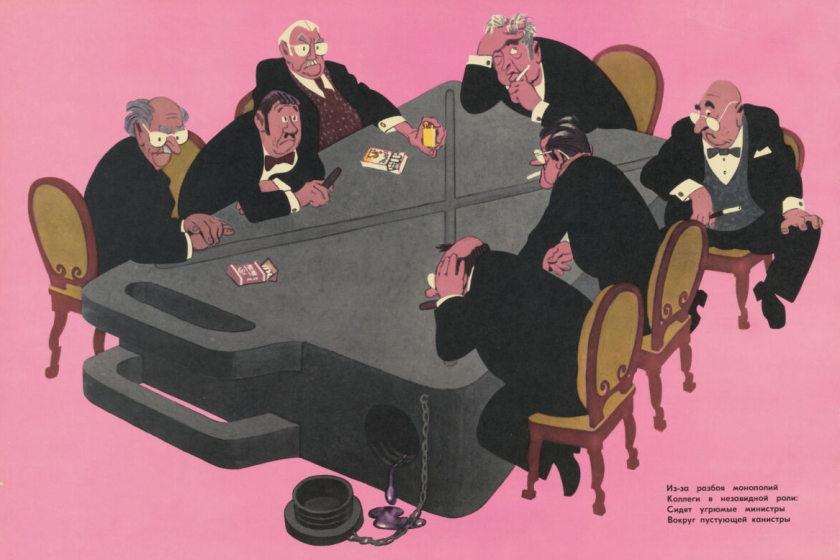
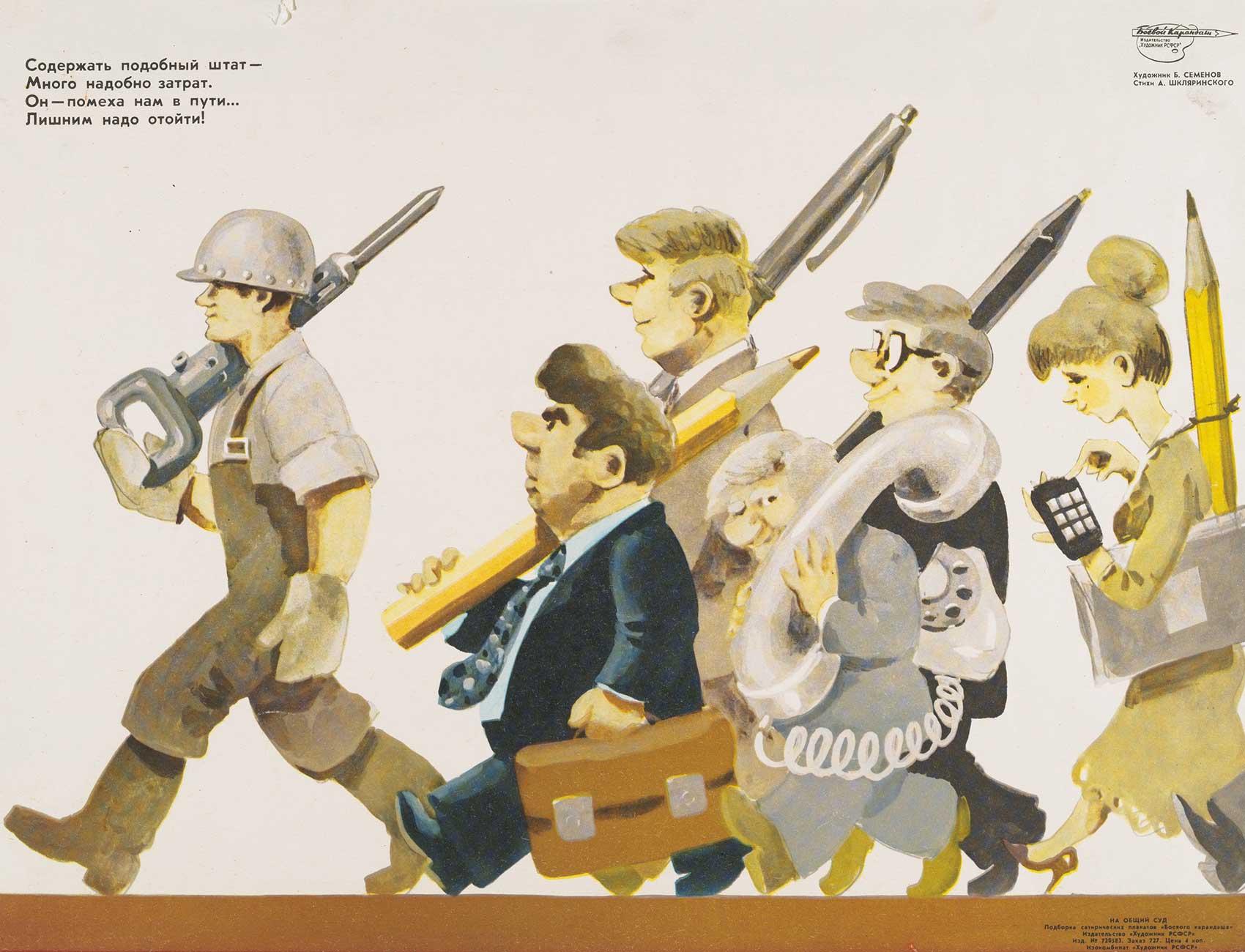
- The Soviet anti-bureaucracy poster collection - 140 posters, Krokodil covers, and clippings, most created by members of the Fighting Pencil (Boevoi karandash) artists’ collective, satirizing bureaucratic abuses and inefficiencies during the last decades of the Soviet period.
- The Davis Center poster collection - about 200 posters dating from 1919 to the 1990s, including early Soviet pro-literacy posters, World War II propaganda, images satirizing NATO, Western capitalism, religion, and posters from late-Soviet anti-drug and anti-alcoholism campaigns.
- The Marshall Goldman Papers - 100 boxes of correspondence, research files, photographs, and other materials documenting the work of Marshall Goldman (1930-2017), noted Sovietologist and Associate Director of the Davis Center from 1975 to 2006.
For a more complete list of special collections held at the Davis Center Library, please visit HOLLIS for Archival Discovery.
Research guides
- The Digital Handbook for Research on Soviet History is an online guide to print and archival materials at and beyond Harvard. Its Open Access Primary Sources Database catalogs more than 900 online resources – digital archives, libraries, collections, exhibitions, and digital scholarship projects – that provide free access to unpublished and published materials, including archival documents, document collections, primary source books, periodicals, cartographic materials, statistical data, diaries, memoirs, correspondence, oral histories, photographs, and works of literature and art.
- Harvard Library Resources on Georgia and the Caucasus is a guide that describes Harvard's salient holdings on and from the region in a range of formats and subjects.
Library Information and Hours
The Davis Center for Russian and Eurasian Studies Collection is located in Fung Library (Knafel Building, Concourse Level, 1737 Cambridge Street, Cambridge, MA 02138).
Fung Library's semester schedule is as follows: Monday - Thursday: 9 am - 8 pm; Friday 9 am - 5 pm; Sunday: 1 - 8 pm.
When classes are not in session, the library is open weekdays from 9 am - 5 pm. The library is closed for University and legal holidays.