Writing. Convening. Teaching. Training. Modeling. Experimenting. Engaging. Across time zones and international boundaries, members of our community are at work. Our “Insights” gallery is a multimedia guide to intellectual life at the Davis Center.
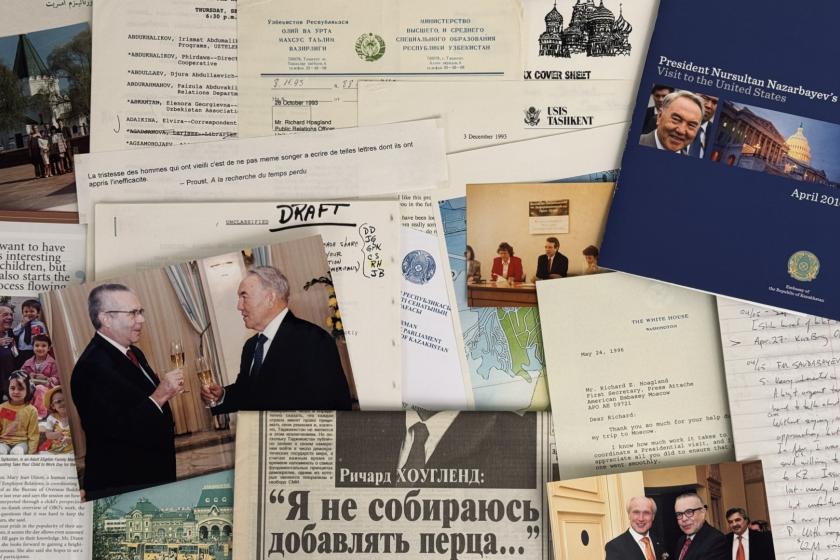
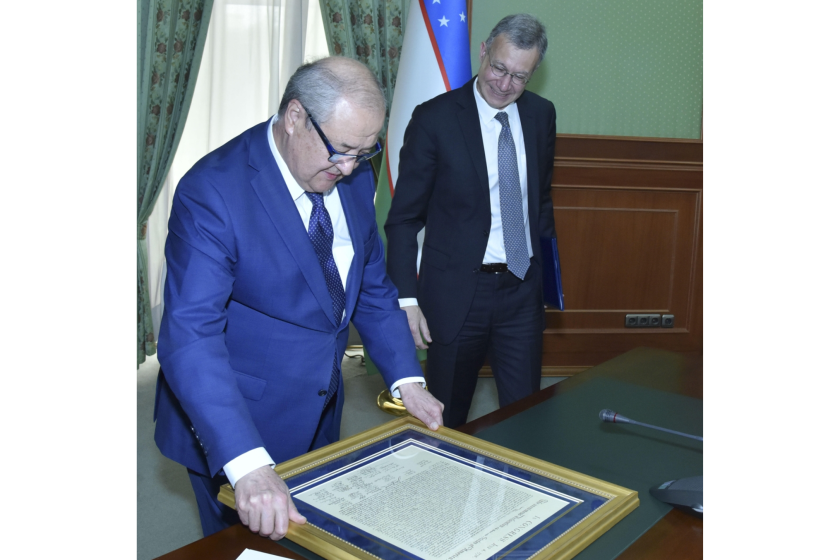
The Davis Center welcomes a significant new collection of professional papers from the retired ambassador, whose 30-plus-year diplomatic career encompassed the Soviet-Afghan war, responses to 9/11, and posts in U.S. embassies across ex-Soviet Central Asia.
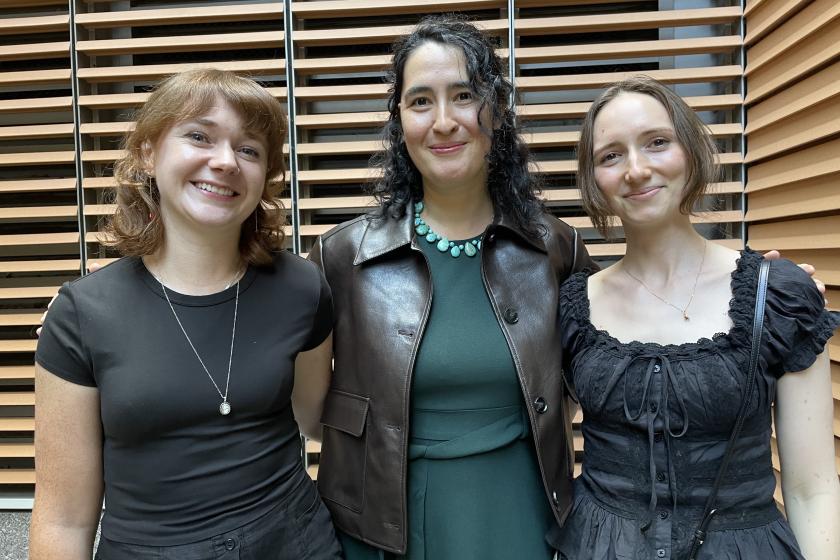
Three exceptional early-career scholars have joined us for funded fellowships in 2026-2027—with projects ranging from Soviet informers to travel writing about Central Asia.
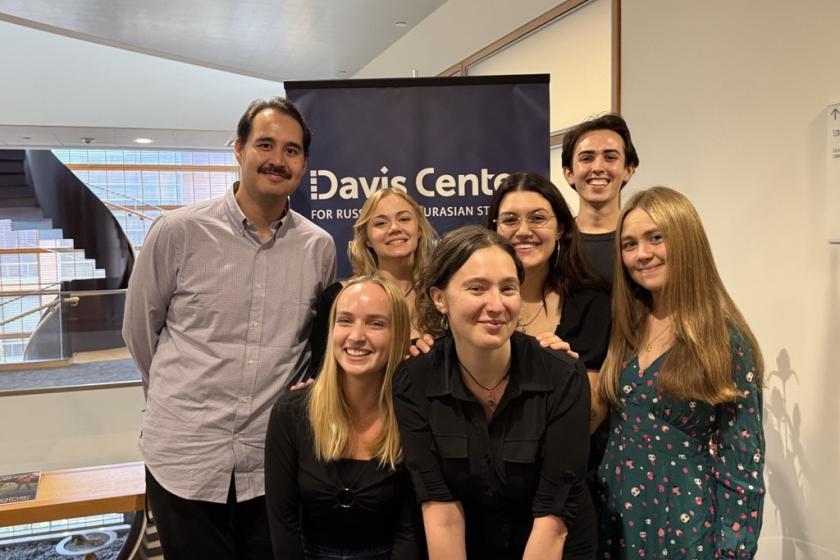
The Davis Center's newest master's students bring majors in linguistics, history, political science, area studies, and international affairs, among others, and speak at least seven languages between them—not counting English!
A new collection of interviews at the Davis Center library captures a top Yeltsin aide’s insights on key events in Russia during its tumultuous late-Soviet and early-independence years.
In a new report, authors from our Program on Central Asia call on Astana to revise and strengthen its current decarbonization strategy. Read their key findings and recommendations.
In a concise new book, Mark Kramer, director of our Cold War Studies program, traces the fall of the Soviet-led alliance to a radical 1989 policy shift that stopped Moscow from cracking down on dissent beyond its de facto borders in Central and Eastern Europe.
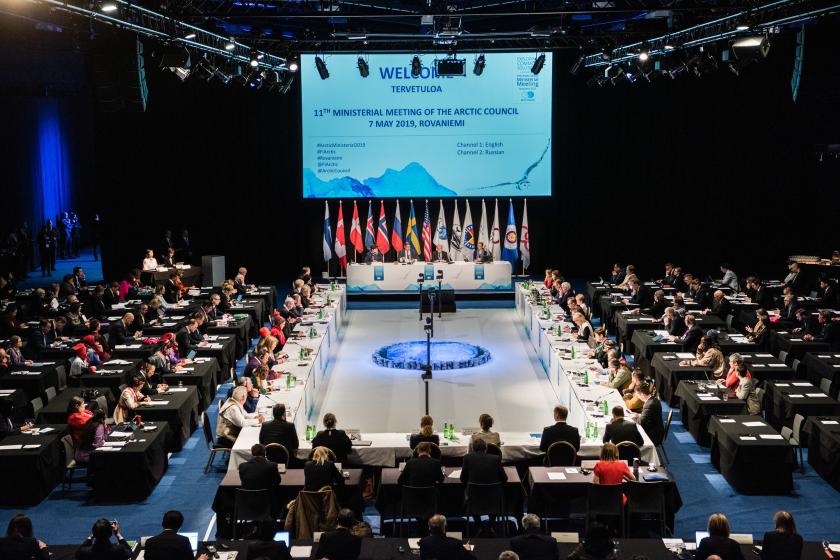
Our visiting scholar Liubov Sulyandziga describes a panel cohosted by the Davis Center and Harvard’s Arctic Initiative, exploring how Indigenous diplomacy is evolving amid geopolitical fragmentation.
For our Program on Central Asia, retired U.S. diplomat Daniel Rosenblum recounts witnessing the end of Islam Karimov’s rule and Tashkent’s new focus on improving relations with its neighbors.
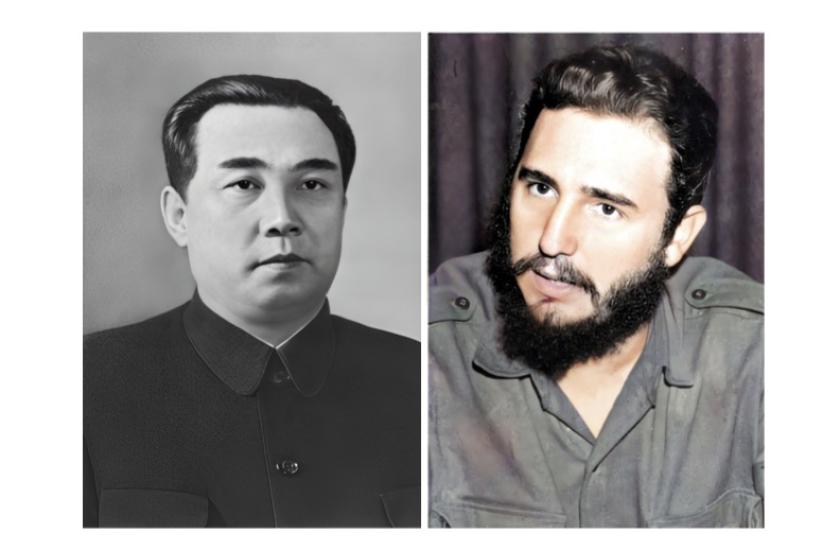
A new issue of our Cold War Studies program’s award-winning journal includes articles on Brezhnev, Poland, the BBC, Raoul Wallenberg, state-backed youth diplomacy, and a Cuba angle in North Korea’s ties with Vietnam.