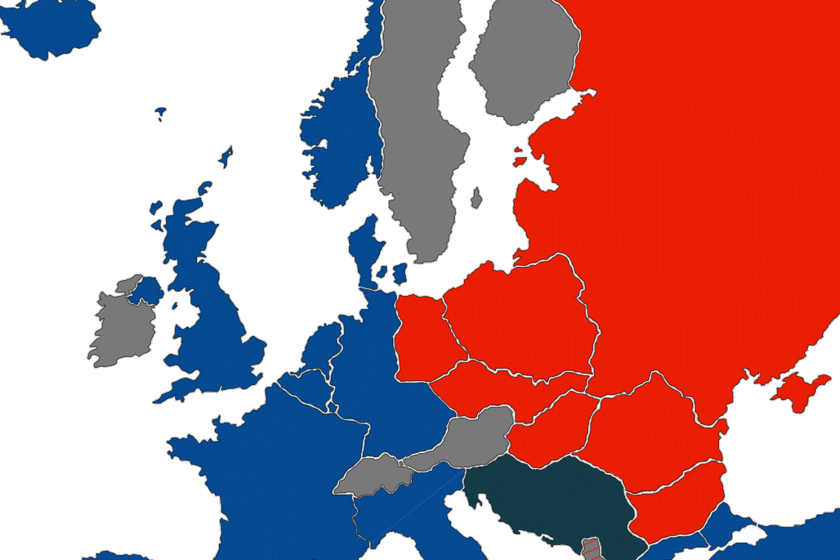
The shift in the research landscape on Russian and Eastern European history since February 2022 has prompted (or speeded up) the work of the archives of former Soviet states on making their collections maximally accessible to researchers and on pushing forward the declassification of documents from the Soviet period. This roundtable will address recent changes in archival work in Eastern Europe, including the declassification of former KGB/ MVD/ Procuracy documents, the process of digitization of files; it will also examine access to various archives from the perspective of the researcher. The discussion will focus primarily on the archives of Moldova, Ukraine, and the Baltic states.
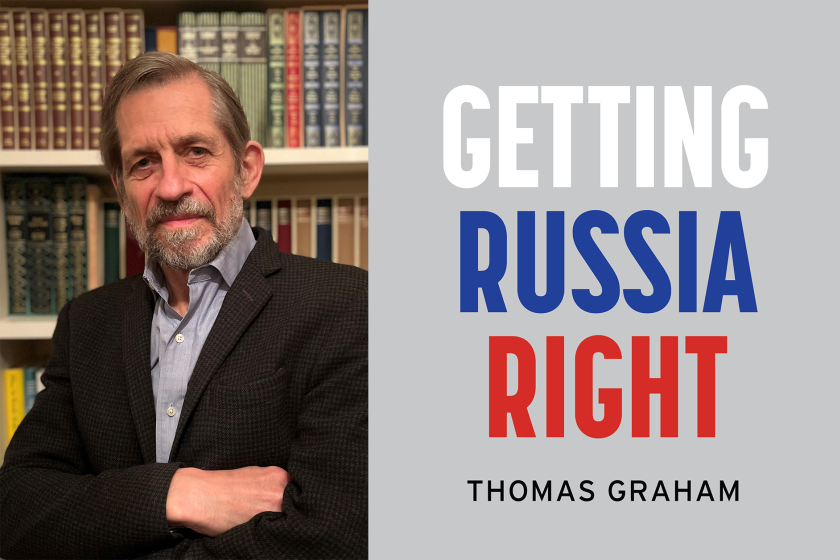
In his new book, Graham offers a practical vision of U.S.-Russia relations, identifying blind spots that prevented Washington from crafting a policy to advance U.S. interests without provoking Moscow.
A leader in genetics and bioinformatics, Professor Kondrashov will detail his group's work using machine learning to model the evolutionary implications of genetic expression.
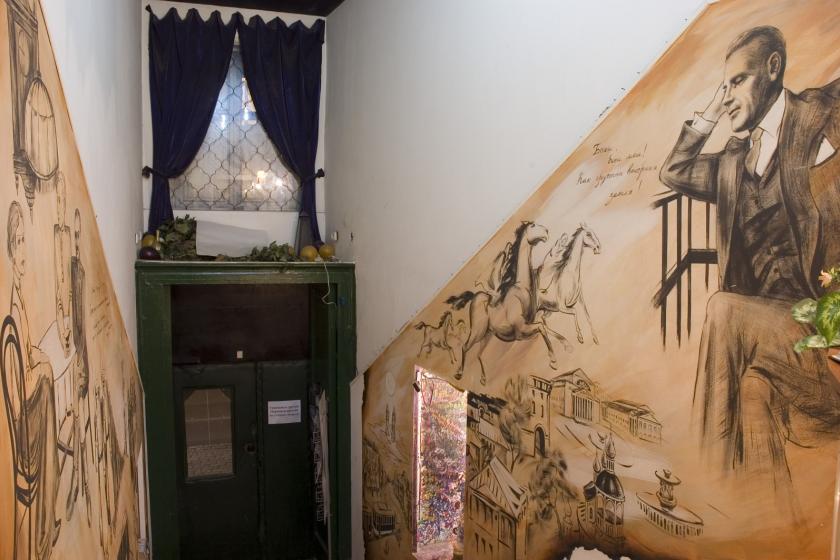
This seminar will consider the influence on Bulgakov's work of new friends and acquaintances affiliated with the State Academy of Artistic Research, or GAKhN, positing that it was far-reaching, possibly clarifying the philosophical underpinnings of his best-known novel.